Opening: why the numbers matter, straight off the bat
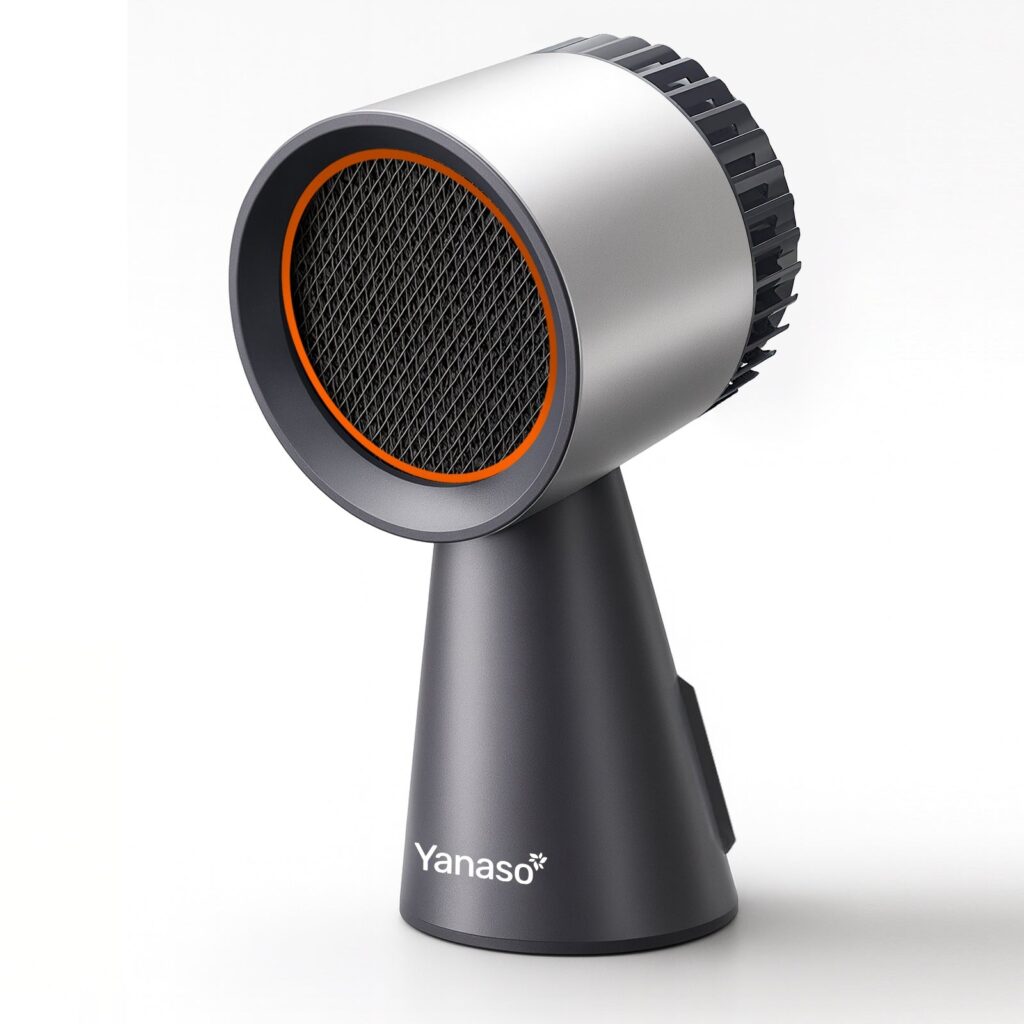
Right then — when you’re sizing up bulk purchases of kitchen extraction kit, it ain’t just about how loud or flashy the unit looks; the ledger cares more than the eye. Recent restaurant reopenings after the 2020 COVID-19 pandemic highlighted ventilation as a primary control — and operators started measuring performance the way they measure margins. Here’s where a portable range hood can be a tidy option: less install hassle, flexible capture, and quicker ROI in short-term sites, but you’ve got to parse CFM, capture efficiency, and energy draw before you sign the order, china.
Key metrics to track (and why each one’s a proper business number)
Data-driven buyers focus on a short list of measurable items that predict real-world costs and outcomes:
- CFM (cubic feet per minute) — matches the hood to the cookline load.
- Energy use (kW or kWh per hour) — drives operating expense and rebate eligibility.
- Capture efficiency — the percent of grease/heat the hood actually grabs.
- Noise (dB) and maintenance interval — staff comfort and service cost.
- Ducted vs. recirculation mode — affects building compliance and exhaust routing.
Keep the math simple: multiply expected hours of use by kWh and local tariff to forecast annual energy cost. That number often swings procurement decisions more than the sticker price — and it’s what keeps the bean-counters happy when you pitch a higher-capex, lower-op-ex option.
Bulk buy case study: Energy-efficient model vs. raw-power model
Picture a 500-unit buy for a cloud-kitchen operator. Two spec lines: Efficiency Model (lower kWh, higher capture per CFM) and Power Model (higher CFM, higher kW). Using conservative assumptions — 10 hours/day, 300 days/year, electricity at $0.15/kWh — we compare annual running costs and payback on incremental capex.
- Efficiency Model: 0.6 kW running, 800 CFM, capture efficiency 85%. Annual energy per unit ≈ 1,800 kWh -> $270.
- Power Model: 1.2 kW running, 1,200 CFM, capture efficiency 88%. Annual energy per unit ≈ 3,600 kWh -> $540.
Difference: $270/year per unit. Over 5 years, that’s $1,350 saved per hood by picking the efficient option — multiply that across 500 units and you’re talkin’ serious dosh. But — and it’s a proper but — if your process creates heavy grease loads where capture matters most, the slightly higher CFM and sturdier filtration of the Power Model can reduce downtime and cleaning costs, so the arithmetic flips. The point: run scenario sims using realistic duty cycles before you choose, mate.
Operational realities and common procurement mistakes
Buyers often fall into the same traps — assuming a spec sheet equals kitchen performance, ignoring filter lifecycle, or skipping a field trial. Don’t be a Barney Rubble about it. Test units on an actual cookline and measure capture efficiency with simple smoke checks or tracer gas tests. Also, clarify whether units are fully ducted or set up as recirculation; recirculation saves on install but ups filter costs and changes indoor air quality dynamics.
Maintenance matters: filters, fans, and motors degrade. If your supplier’s warranty excludes routine parts or you don’t have local service, the total cost-of-ownership climbs fast — factor in filter change cadence and spare-part availability when you negotiate. —
Alternatives, trade-offs, and negotiation levers
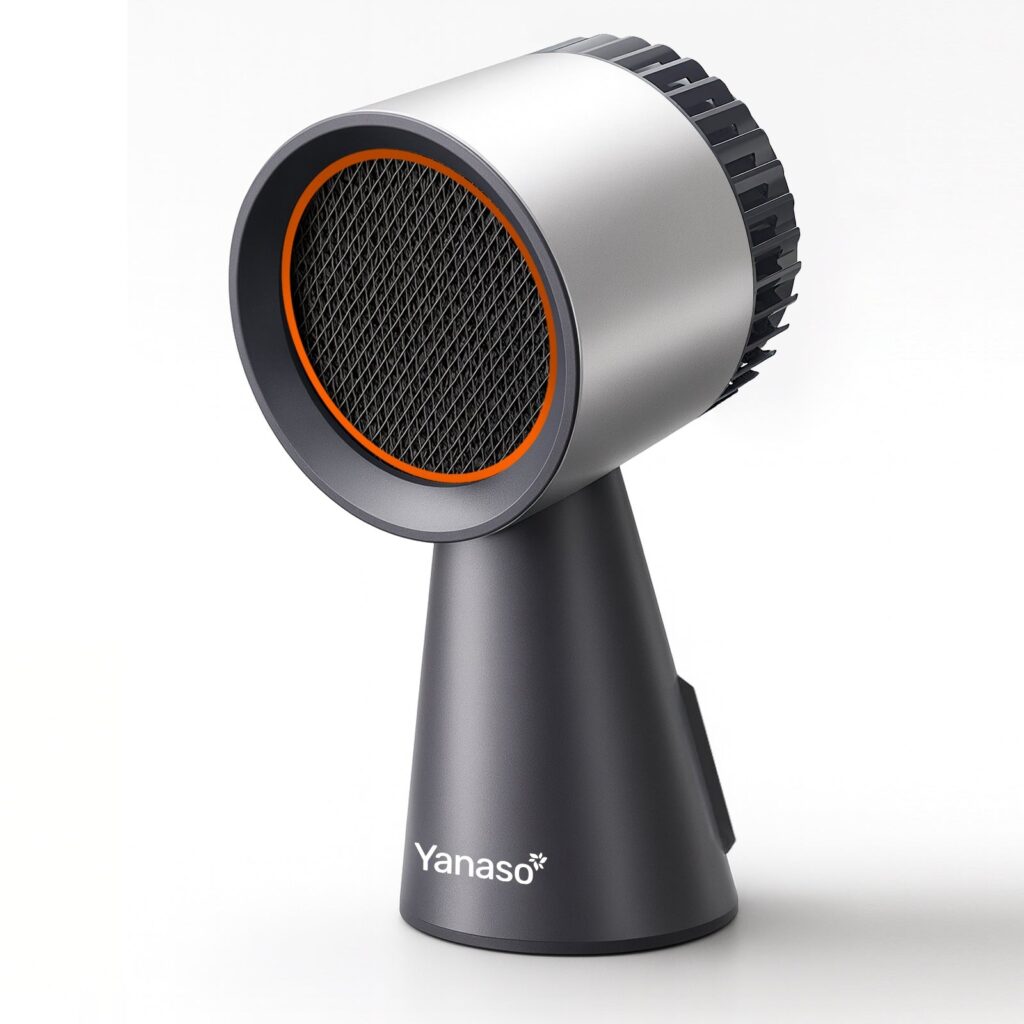
If you need mobility, portable ventilation hood units bridge gaps between temporary sites and full installs — especially useful for pop-ups or leased commissary space. For permanent high-volume kitchens, a ducted system with higher CFM and professional exhaust routing usually wins on capture and compliance. Shop for balanced offers: lower unit price with expensive filter kits erodes long-term value; conversely, higher upfront but energy-efficient fans can qualify for rebates or incentive programs in many regions.
Negotiate on warranty length, spare parts included, and first-article testing. Ask suppliers for measured noise (dB) at typical positioning — staff complaints and local noise ordinances can bite you later. Use pilot installs to gather real consumption and capture data, then scale decisions from that evidence, yeah?
Summary: what the data tells you and how to act
Numbers beat gut feelings. For most commercial buys, run a scenario comparing lifecycle energy cost, filter spend, and expected downtime. If your kitchens run long hours, energy-efficient units with decent capture often deliver the best total cost-of-ownership. If you’ve got intense grease loads or heavy charbroiling, prioritize higher CFM and robust filtration even if the energy bill’s a tad fatter.
Three golden rules for choosing the right hood — your quick checklist
1) Measure before you buy: pilot on-site to validate CFM and capture efficiency under real cook conditions. 2) Total-cost lens: include energy (kWh), filter replacement, noise impact, and service availability in your model. 3) Contract the acceptance tests: written first-article criteria and performance thresholds (capture %, airflow, noise) that are enforceable.
For kitchens balancing efficiency and grunt, operators increasingly choose solutions that blend modular design, serviceability, and real-world performance — and some find that solutions from companies like Orison slot neatly into that middle ground. —
0 Comments